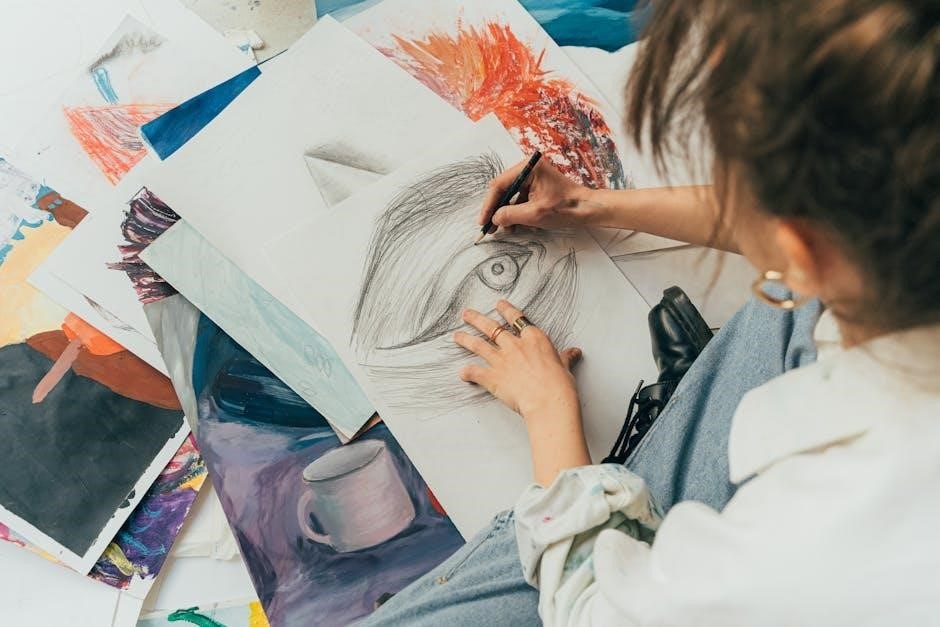
“Your Brain on Art”, a 2023 publication by Magsamen & Ross, explores the transformative power of art, backed by neuroscience․
A downloadable PDF version is readily available, alongside related works like Chatterjee’s “The Aesthetic Brain” and Shimamura’s “Aesthetic Science”․
Overview of the Book by Magsamen & Ross
“Your Brain on Art: How the Arts Transform Us”, penned by Susan Magsamen and Ivy Ross, presents a compelling argument for art’s fundamental role in human well-being; The book, available as a Kindle edition and downloadable PDF, synthesizes cutting-edge neuroscience with accessible prose․ It’s described as an “authoritative yet practical guide to neuroarts”․
Magsamen and Ross delve into how artistic engagement impacts brain function, emotional regulation, and even the immune system․ The work isn’t merely theoretical; it offers insights into applying these findings to enhance creativity in education and design environments promoting wellness․ Discussion questions accompany the book, fostering deeper reflection․
The Rise of Neuroaesthetics
Neuroaesthetics, a relatively new field, investigates the neurological foundations of aesthetic experience․ Emerging research, highlighted in works like Magsamen & Ross’s “Your Brain on Art” (available as a PDF), seeks to unravel “the biology of beauty and art”․ This interdisciplinary approach combines neuroscience, psychology, and art history․
Researchers are employing brain imaging technologies to observe how art activates specific brain regions․ The field’s growth, evidenced by ongoing studies as of 2025/2026, reflects a growing recognition of art’s profound impact on the human brain and body, moving beyond subjective interpretation․
Key Concepts: Art and Brain Co-Evolution
“Your Brain on Art”, accessible as a PDF, posits that art isn’t merely a cultural product, but deeply intertwined with our neurological evolution․ Camilo Cela-Conde’s research emphasizes this “co-evolution,” suggesting our brains evolved to desire beauty and engage with artistic expression․
This perspective implies art fulfills fundamental neurological needs, impacting reward systems and emotional regulation․ The book explores how creating and experiencing art taps into innate brain mechanisms, shaping our perception and fostering well-being, a concept central to neuroaesthetic inquiry․
The Neurological Impact of Art
“Your Brain on Art”, available as a PDF, details how artistic experiences activate diverse brain regions, triggering dopamine release and engaging mirror neuron systems for empathetic connection․
Brain Regions Activated by Artistic Experiences
“Your Brain on Art”, accessible as a PDF, illuminates how engaging with art isn’t a solely aesthetic pursuit, but a profoundly neurological one․ The book details activation across multiple brain areas, including those governing visual processing, emotional response, and motor control․ Specifically, the visual cortex lights up during art observation, while limbic structures—like the amygdala—process emotional resonance․
Furthermore, the prefrontal cortex engages in higher-level cognitive functions, such as interpretation and meaning-making․ This widespread activation suggests art taps into fundamental neural networks, fostering a holistic brain experience․ The PDF resource emphasizes this interconnectedness․
The Role of Dopamine and Reward Systems
“Your Brain on Art”, available as a PDF download, highlights the crucial role of dopamine in our artistic experiences․ The book explains how viewing or creating art triggers the release of dopamine, a neurotransmitter associated with pleasure, motivation, and reward․ This activation of the brain’s reward systems explains why art can be so captivating and fulfilling․
This dopamine surge isn’t merely about enjoyment; it also reinforces learning and memory, solidifying the impact of artistic encounters․ The PDF resource details how this neurochemical process contributes to art’s transformative power․
Mirror Neurons and Empathy in Art Perception
“Your Brain on Art”, accessible as a PDF, delves into the fascinating connection between mirror neurons and our response to art․ These neurons fire both when we perform an action and when we observe someone else performing it, fostering empathy and understanding․
The book explains how art, by depicting human experiences and emotions, activates these mirror neuron systems, allowing us to vicariously feel what the artist or subject is conveying․ This neurological process deepens our connection to the artwork and enhances its emotional impact, as detailed in the PDF․
How Art Transforms Us: Psychological Effects
“Your Brain on Art” (PDF available) reveals art’s profound psychological benefits, including stress reduction, enhanced creativity via neuroplasticity, and improved emotional regulation—a life-altering exploration․
Art as a Stress Reducer
“Your Brain on Art”, accessible as a PDF, highlights art’s remarkable capacity to mitigate stress․ The book details how engaging with artistic experiences—whether creating or observing—actively lowers cortisol levels, the hormone associated with stress․ This isn’t merely anecdotal; the authors present scientific evidence demonstrating art’s influence on physiological responses․
Furthermore, the book explains how art provides a crucial outlet for emotional expression, allowing individuals to process and release pent-up tension․ This process fosters a sense of calm and well-being, contributing to improved mental health and resilience․ The exploration of art’s healing power is central to the book’s message․
Creativity and Neuroplasticity
“Your Brain on Art”, available as a downloadable PDF, emphasizes the profound link between creativity and neuroplasticity – the brain’s ability to reorganize itself․ The book explains how artistic endeavors stimulate the formation of new neural connections, enhancing cognitive flexibility and problem-solving skills․
Engaging in creative activities, as detailed within the text, isn’t just enjoyable; it’s a powerful workout for the brain․ This process strengthens existing pathways and creates new ones, fostering adaptability and resilience․ The authors present compelling evidence supporting art’s role in lifelong brain health․
Art and Emotional Regulation
“Your Brain on Art”, accessible as a PDF, highlights art’s significant impact on emotional regulation․ The book details how artistic expression and appreciation can modulate brain activity in areas associated with emotional processing, like the amygdala and prefrontal cortex․
Through engagement with art, individuals can learn to better understand, process, and manage their emotions․ The authors present evidence suggesting art serves as a healthy outlet for emotional release and fosters a sense of calm and well-being, contributing to improved mental health․

Specific Art Forms and Brain Responses
“Your Brain on Art”, available as a PDF, details how different art forms—visual, musical, and dance—activate distinct brain regions, influencing perception and emotional responses․
Visual Art and the Visual Cortex
“Your Brain on Art”, accessible as a PDF, elucidates how visual art profoundly impacts the visual cortex․ This brain region processes elements like color, form, and spatial relationships within artworks․ The book details how aesthetic experiences aren’t merely passive observations; they actively engage neural pathways responsible for visual processing․
Furthermore, the authors explain that appreciating art triggers activity beyond basic visual recognition, extending to areas involved in emotion, memory, and reward․ This suggests visual art isn’t just seen, but deeply felt and integrated into our cognitive landscape, as detailed within the PDF resource․
Music and Auditory Processing
“Your Brain on Art”, available as a downloadable PDF, reveals music’s powerful effect on auditory processing centers․ Beyond the auditory cortex, music activates regions linked to emotion, memory, and motor control․ The book explains how musical structures—rhythm, melody, harmony—stimulate complex neural networks․
This activation isn’t simply about hearing music; it’s about experiencing it․ The PDF details how music can evoke strong emotional responses, trigger autobiographical memories, and even inspire movement, demonstrating its profound impact on brain function and well-being․
The Impact of Dance on Motor and Emotional Centers
“Your Brain on Art”, accessible as a PDF, highlights dance’s unique neurological impact․ It’s not merely physical exertion; dance profoundly engages motor cortices, the cerebellum, and crucially, emotional centers like the limbic system․ The book details how rhythmic movement synchronizes brain activity, fostering a sense of flow and well-being․
Furthermore, the PDF explains how observing dance activates mirror neurons, promoting empathy and emotional resonance․ This interplay between motor and emotional processing underscores dance’s power to transform both performer and audience․
Practical Applications of Neuroaesthetic Findings
“Your Brain on Art”, available as a PDF, suggests utilizing neuroaesthetic insights in art therapy, environmental design, and education to enhance well-being and creativity․
Art Therapy and Mental Health
“Your Brain on Art”, accessible as a PDF, highlights art’s healing potential, aligning with its influence on the immune system and reduction of anxiety and depression․ The book underscores how artistic engagement can positively impact mental health․
It suggests that art therapy leverages the brain’s reward systems, activated by aesthetic experiences, fostering emotional regulation and cognitive function․ This approach offers a non-pharmacological avenue for well-being, particularly beneficial in aging populations, promoting a holistic approach to mental healthcare․
Designing Environments for Well-being
“Your Brain on Art”, available as a PDF, informs the creation of spaces that nurture mental and emotional health․ The book’s neuroaesthetic findings suggest incorporating art to stimulate dopamine release and activate reward systems․ Thoughtfully designed environments, enriched with artistic elements, can reduce stress and enhance cognitive function․ This approach, rooted in understanding brain-art interactions, promotes well-being in homes, workplaces, and healthcare facilities, fostering a more positive and restorative atmosphere for all occupants․
Enhancing Creativity in Education
“Your Brain on Art”, accessible as a PDF, advocates for integrating arts into education to foster neuroplasticity and unlock creative potential․ The book highlights how artistic experiences stimulate brain regions linked to innovation and problem-solving․ By embracing art, educators can cultivate a learning environment that encourages exploration, emotional expression, and critical thinking․ This approach, grounded in neuroaesthetic principles, empowers students to develop a lifelong love of learning and creative expression․
“Your Brain on Art” Discussion Points
“Your Brain on Art”, available as a PDF, prompts reflection on personal resonance with art, shifting perspectives on creativity, and appreciating beauty’s impact․
Resonance and Personal Connection to the Material
“Your Brain on Art”, accessible as a PDF, encourages readers to identify what aspects of the book deeply resonated with them․ Discussion questions prompt introspection regarding personal connections to the presented material, exploring why certain concepts or ideas struck a chord․
The book aims to unveil how art uniquely impacts each individual, fostering a deeper understanding of one’s own aesthetic preferences and emotional responses․ It’s about recognizing the subjective nature of art and acknowledging the power of personal experience in shaping our perception of beauty and creativity․
Shifting Perspectives on Art, Creativity, and Beauty
“Your Brain on Art”, available as a downloadable PDF, challenges conventional views on art, creativity, and beauty through a neuroscientific lens․ The book prompts readers to reconsider their pre-conceived notions, offering a science-backed exploration of aesthetic experiences․
It encourages a shift from viewing art as solely subjective to recognizing its profound impact on brain function and well-being․ By understanding the neurological basis of aesthetic appreciation, the book fosters a more informed and nuanced perspective on the arts and their role in human life․
Moments of Reflection and Insight
“Your Brain on Art”, accessible as a PDF, sparks profound moments of reflection on personal connections to art and creativity․ Book club discussion questions, readily available online, encourage introspection regarding how the book alters perceptions of beauty and artistic expression․
Readers are prompted to identify passages that resonated deeply, fostering self-awareness and a renewed appreciation for the arts’ transformative power․ The book’s insights invite a deeper understanding of the brain’s response to aesthetic stimuli, leading to personal revelations․

The Science Behind Art’s Healing Power
“Your Brain on Art”, available as a PDF, details art’s positive impact on the immune system, reducing anxiety and depression, and supporting cognitive function during aging․
Art’s Influence on the Immune System
“Your Brain on Art”, accessible as a downloadable PDF, highlights emerging research suggesting a compelling link between artistic engagement and immune function․ The book details how experiences with art—creation or observation—can demonstrably reduce stress hormones like cortisol․
Chronic stress is known to suppress immune responses; therefore, art’s stress-reducing qualities may indirectly bolster the body’s defenses․ This connection suggests that incorporating artistic practices into wellness routines could offer a novel, holistic approach to supporting overall health and resilience, as explored within the book’s scientific framework․
Reducing Anxiety and Depression Through Art
“Your Brain on Art”, available as a PDF download, emphasizes art’s potential as a therapeutic intervention for anxiety and depression․ The authors present evidence indicating that engaging with art activates brain regions associated with positive emotions and reward․
This activation can counteract the neural pathways associated with negative mood states․ Furthermore, the book details how artistic expression provides a non-verbal outlet for processing difficult emotions, fostering self-awareness and promoting emotional regulation, ultimately contributing to improved mental well-being․
Art and Cognitive Function in Aging
“Your Brain on Art”, accessible as a PDF, highlights art’s remarkable benefits for maintaining cognitive function during aging․ The book details how consistent engagement with artistic activities stimulates neuroplasticity, strengthening neural connections and potentially delaying cognitive decline․
Specifically, art fosters creativity, problem-solving skills, and memory recall․ The authors suggest that art participation can serve as a preventative measure against age-related cognitive impairments, promoting a more vibrant and engaged later life․

Further Research in Neuroaesthetics
“Your Brain on Art” spurs exploration into neuroaesthetics, referencing Chatterjee’s “The Aesthetic Brain” and Shimamura’s “Aesthetic Science”, available as PDFs, alongside ongoing 2025 studies․
Anjan Chatterjee’s “The Aesthetic Brain”
Anjan Chatterjee’s 2014 work, “The Aesthetic Brain: How We Evolved to Desire Beauty and Enjoy Art,” provides a foundational understanding complementing “Your Brain on Art․” Available as a downloadable PDF, it delves into the evolutionary roots of aesthetic experience․
Chatterjee explores how our brains are wired to appreciate beauty, examining neurological processes involved in artistic perception․ This research illuminates the biological basis for why art resonates so deeply within us, offering a crucial context for understanding the insights presented in Magsamen and Ross’s exploration of art’s transformative power․
Art Shimamura’s “Aesthetic Science”
Art Shimamura’s “Aesthetic Science: Connecting Minds, Brains, and Experience,” available as a downloadable PDF, offers a comprehensive investigation into the intersection of neuroscience and aesthetics․ It builds upon the foundations laid by works like “Your Brain on Art,” providing a deeper dive into the cognitive and neural mechanisms underlying our aesthetic judgments․
Shimamura’s research explores how the brain processes artistic stimuli, bridging the gap between subjective experience and objective neurological data․ This work is essential for understanding the biological basis of beauty and artistic appreciation, enriching the conversation started by Magsamen and Ross․
Ongoing Studies in Neuroaesthetics (as of 2025/2026)
As of April 28, 2026, neuroaesthetic research continues to expand, building on insights from texts like “Your Brain on Art” and related PDFs․ Current studies investigate the neural correlates of diverse artistic experiences, utilizing advanced brain imaging techniques․
Researchers are exploring how individual differences—personality, cultural background—influence aesthetic responses․ Investigations also focus on art’s therapeutic potential, examining its impact on mental health and cognitive function, furthering the understanding initiated by Magsamen and Ross’s work․
Criticisms and Limitations of Neuroaesthetic Research
Neuroaesthetic studies face challenges due to subjective aesthetic experiences and isolating art’s specific effects․ Brain-art interactions are complex, requiring nuanced research approaches․
Subjectivity in Aesthetic Experience
A core limitation within neuroaesthetics lies in the inherently subjective nature of perceiving art․ What resonates deeply with one individual may evoke a completely different response in another, making objective measurement difficult․ The “Your Brain on Art” PDF and related research acknowledge this, highlighting personal connections as crucial․
Individual backgrounds, cultural influences, and emotional states significantly shape aesthetic judgments․ Isolating purely neurological responses from these contextual factors presents a substantial methodological hurdle․ Consequently, findings must be interpreted cautiously, recognizing the variability inherent in human perception and appreciation of artistic expression․
Challenges in Isolating Art’s Effects
Researchers face difficulties when attempting to pinpoint art’s specific neurological impact, as numerous variables intertwine during artistic engagement․ The “Your Brain on Art” PDF implicitly acknowledges this complexity; brain activity isn’t solely driven by the artwork itself․
Factors like prior experiences, emotional state, and even the surrounding environment contribute to brain responses․ Separating these influences from art’s direct effects requires sophisticated experimental designs and careful data analysis, presenting ongoing challenges for neuroaesthetic investigations․
The Complexity of Brain-Art Interactions
The interplay between art and the brain isn’t a simple, linear process, as highlighted within resources like the “Your Brain on Art” PDF․ Multiple brain regions activate simultaneously, creating intricate networks responding to artistic stimuli․
These interactions aren’t uniform; individual responses vary greatly, influenced by personal history and aesthetic preferences․ Understanding this complexity demands interdisciplinary approaches, integrating neuroscience, psychology, and art history to unravel the nuanced relationship․

The Future of Neuroaesthetics
Neuroaesthetics’ future involves advanced brain imaging, expanding artistic exploration, and integrating art with neuroscience for societal benefit, as discussed in “Your Brain on Art” PDF resources․
Technological Advancements in Brain Imaging
Advancements in brain imaging are poised to revolutionize neuroaesthetic research, offering unprecedented insights into the neural correlates of artistic experiences․ Techniques like fMRI, EEG, and potentially even more sophisticated methods will allow researchers to observe brain activity with greater precision while individuals engage with art․
This enhanced resolution promises to unravel the complexities of aesthetic judgment, emotional responses, and creative processes․ The readily available “Your Brain on Art” PDF and related studies highlight the need for these tools to further validate and expand our understanding of the brain-art connection, moving beyond correlation to causation․
Expanding the Scope of Artistic Exploration
Neuroaesthetics is broadening its focus beyond traditional art forms, investigating the brain’s response to diverse creative expressions – from culinary arts and design to improvisational theatre and digital media․ This expansion, fueled by resources like the “Your Brain on Art” PDF, acknowledges art’s pervasive influence on daily life․
Researchers are now exploring how different artistic modalities uniquely engage neural pathways, impacting well-being and cognitive function․ This wider lens promises a more holistic understanding of art’s transformative power, moving beyond purely visual or auditory stimuli․
Integrating Art and Neuroscience for Societal Benefit
Leveraging insights from works like the “Your Brain on Art” PDF, a growing movement advocates for integrating artistic practices into public health, education, and urban planning․ This interdisciplinary approach aims to design environments that actively promote mental and emotional well-being․
By understanding how art impacts brain function, we can create more effective art therapy programs, foster creativity in learning, and build communities that prioritize aesthetic experiences for all citizens, ultimately enhancing societal flourishing․
Leave a Reply
You must be logged in to post a comment.