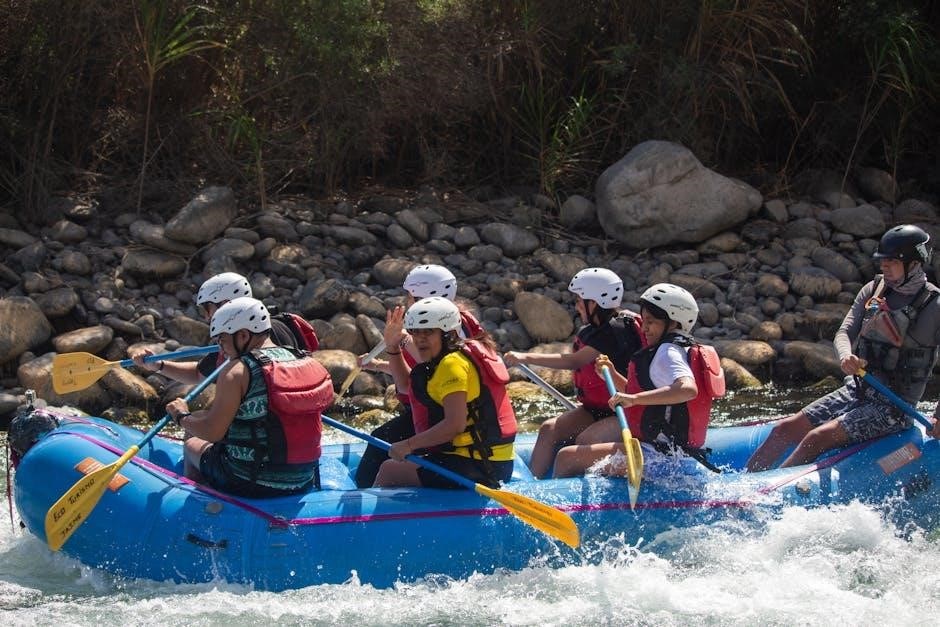
Navigating the digital currents, this guide aims to be your premier resource for exploring the Sygg River, offering insights into its unique features and ensuring a fulfilling experience.
Overview of the Sygg River
The Sygg River, a captivating waterway, presents a diverse range of experiences for adventurers and nature enthusiasts alike. Renowned for its pristine waters and breathtaking scenery, the river carves its path through varied landscapes, offering something for everyone. From gentle stretches perfect for leisurely paddling to more challenging rapids demanding skillful navigation, the Sygg River caters to all skill levels.
Historically significant, the river served as a vital transportation route and a source of sustenance for local communities. Today, it continues to hold cultural importance, attracting visitors eager to connect with its rich heritage. The Sygg River’s ecosystem thrives with unique flora and fauna, making it a haven for wildlife observation and photography. Understanding its characteristics is crucial for a safe and enjoyable journey, and this guide will provide the necessary insights.
Geographical Location and Accessibility
The Sygg River is nestled within the heart of the [Insert Region/Country Here], characterized by its unique geological formations and diverse ecosystems. Specifically, it originates in the [Insert Mountain Range/Source Here] and meanders through valleys before emptying into the [Insert Lake/Sea/River Here]. Its coordinates roughly fall between [Insert Latitude/Longitude Range Here], making it relatively accessible from major transportation hubs.
Accessibility varies depending on the desired section of the river. Several access points are available via well-maintained roads, while others require navigating unpaved tracks or short hikes. The nearest major airport is located in [Insert City Here], offering convenient connections for international travelers. Local outfitters provide shuttle services and guided tours, simplifying logistics for those without their own transportation. Detailed maps and directions are readily available online and at visitor centers.
Planning Your Sygg River Adventure
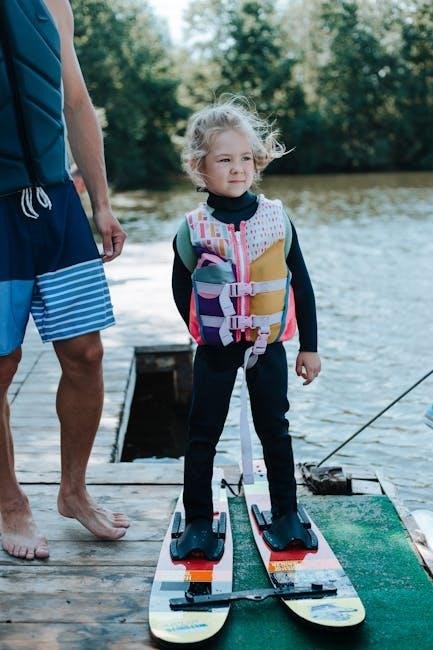
Careful preparation is key to a safe and enjoyable Sygg River experience; consider timing, required permissions, and essential equipment for optimal exploration.
Best Time to Visit for Optimal Conditions
Determining the ideal time to embark on a Sygg River adventure hinges on your preferred activities and tolerance for varying conditions. Generally, late spring (May-June) offers a sweet spot, boasting moderate temperatures and manageable water levels, perfect for kayaking and canoeing. Snowmelt contributes to higher flows earlier in the season, creating exciting rapids for experienced paddlers, but also increasing potential hazards.
Summer (July-August) provides warmer weather, ideal for swimming and fishing, though it can also bring increased crowds and potentially lower water levels in late summer. Autumn (September-October) showcases stunning fall foliage along the riverbanks, offering picturesque scenery, but cooler temperatures and unpredictable weather require careful planning. Winter is generally not recommended due to freezing temperatures and hazardous conditions, although ice fishing may be possible in certain sections with appropriate safety precautions. Always check local weather forecasts and river conditions before your trip, and be prepared for changing circumstances.
Permits and Regulations
Prior to launching your Sygg River expedition, understanding and adhering to local permits and regulations is crucial for a responsible and legal experience. Depending on the specific section of the river and planned activities, permits may be required for activities like camping, fishing, or operating motorized boats. These permits are typically obtainable from the local park authorities or forestry services managing the river corridor.

Regulations often govern acceptable boating practices, including mandatory life jacket usage, restrictions on group size, and designated camping areas. It’s vital to be aware of any specific fishing regulations, such as catch limits, size restrictions, and permitted bait types. Failure to comply with these rules can result in fines or other penalties. Always check the official website of the managing authority for the most up-to-date information and ensure you have all necessary documentation readily available during your trip.
Essential Gear Checklist
A well-prepared Sygg River adventure necessitates a comprehensive gear checklist, prioritizing safety and comfort. Begin with a properly fitted Personal Flotation Device (PFD) – a non-negotiable item. Waterproof layers, including a jacket and pants, are essential for unpredictable weather. Sturdy, waterproof footwear provides crucial traction on riverbanks. Pack a dry bag to protect electronics, maps, and spare clothing.
Navigation tools like a map, compass, or GPS device are vital, alongside a headlamp or flashlight with extra batteries. A first-aid kit, tailored for outdoor emergencies, is paramount. Don’t forget sun protection – sunscreen, a hat, and sunglasses. Consider bringing insect repellent, a multi-tool, and a repair kit for your boat or gear. Finally, pack sufficient food and water for the duration of your trip, plus a method for water purification.
Navigating the Sygg River
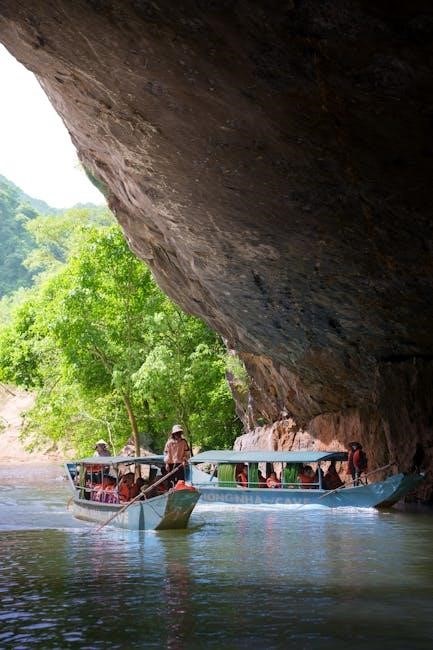
Successfully traversing the Sygg River demands awareness and skill; understanding currents, recognizing obstacles, and employing proper techniques are key to a safe journey.
River Sections and Difficulty Levels
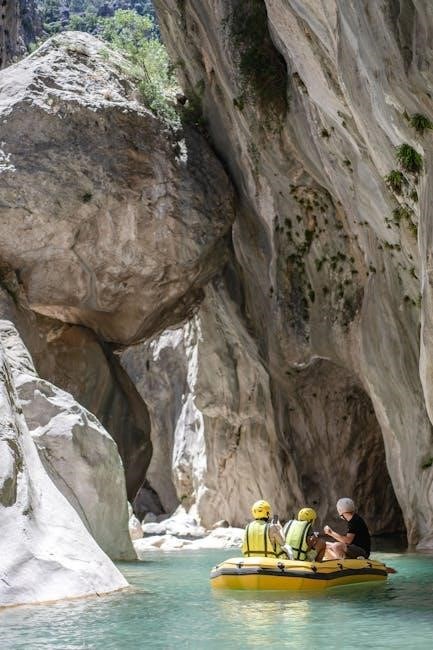
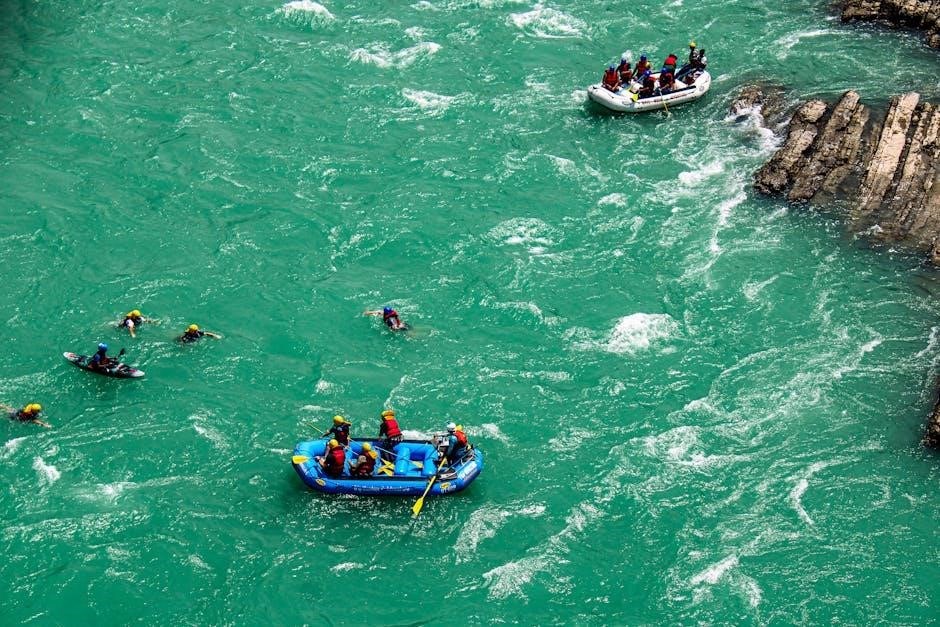
The Sygg River presents a diverse range of sections, each with its own unique character and challenges, catering to varying skill levels. The upper reaches, originating from the glacial meltwater, are typically characterized by Class II-III rapids, demanding moderate paddling experience and precise maneuvering. These sections feature swift currents, rocky outcrops, and occasional small drops, requiring paddlers to be comfortable with eddy turns and bracing techniques.
As the river descends, it enters a mid-section offering gentler Class I-II flows, ideal for beginners and families. This stretch is wider and more forgiving, allowing for leisurely exploration of the surrounding scenery. However, even in these calmer waters, vigilance is crucial, as unexpected obstacles like submerged logs can appear. The lower section, closer to the river’s confluence, presents a mix of Class II-III rapids and calmer pools, offering a balanced experience for intermediate paddlers. Always consult updated river reports and local guides to assess current conditions before embarking on any section of the Sygg River.
Reading the Water: Identifying Hazards
Mastering the art of “reading the water” is paramount for a safe Sygg River adventure. Look for “pillowing” – where water piles up against an obstruction, indicating a rock or rapid. “V-waves” point downstream from obstacles, revealing their location. Darker water often signifies deeper, slower currents, while lighter, frothy water indicates shallower, faster flows. Eddies, areas of calmer water behind obstructions, provide crucial resting points and opportunities for maneuvering.
Be vigilant for strainers – debris like branches caught on rocks – which can create powerful underwater currents capable of trapping paddlers. Watch for undercut banks, where the river has eroded beneath the shoreline, creating hidden hazards. Swift currents near the banks can also pull you towards obstacles. Pay attention to changes in river color, which may indicate sediment or pollution. Continuously scan the river ahead, anticipating potential hazards and planning your route accordingly. Awareness is your greatest asset.
Common Navigation Techniques
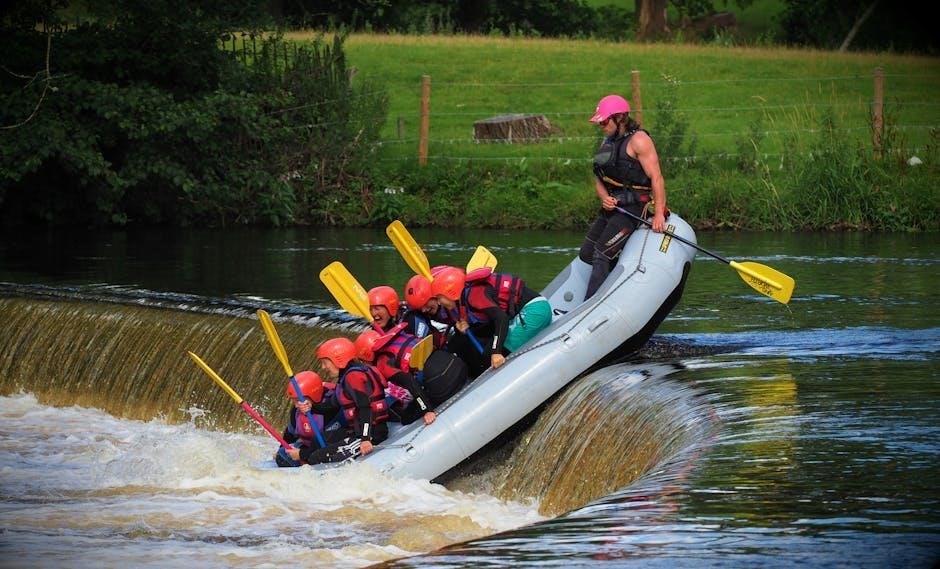
Effective Sygg River navigation relies on several key techniques. Ferrying involves angling your craft across the current, utilizing the flow to move laterally. Mastering this allows you to access eddies and avoid obstacles. Eddy turns are crucial for maneuvering; enter an eddy, pause, then turn downstream to re-engage the current. Bracing – leaning into the current and using your paddle for support – prevents capsizing in turbulent water.
Sweep strokes, broad paddle movements, help steer and maintain momentum. Draw strokes pull your craft towards the paddle. Practice these in calmer sections before tackling challenging rapids. Always maintain a low center of gravity and keep your paddle shaft angled forward. Anticipate the river’s movements and react proactively. Remember to scan ahead and choose the smoothest line through the river, prioritizing safety and control.
Sygg River Fishing Guide
Anglers will discover a thriving ecosystem within the Sygg River, presenting opportunities for diverse catches and unforgettable moments amidst stunning natural beauty.
Target Species and Fishing Seasons
The Sygg River boasts a remarkable variety of fish species, attracting both novice and experienced anglers. Brown trout and rainbow trout are particularly abundant, thriving in the river’s cool, oxygen-rich waters. These are most actively feeding during the spring and fall months, making those seasons prime time for trout fishing.
Largemouth and smallmouth bass also inhabit sections of the Sygg, especially in slower-moving pools and near submerged structures. The warmer summer months are ideal for targeting bass, utilizing techniques like topwater fishing and crankbaiting. Additionally, catfish, including channel and bullhead catfish, provide consistent action throughout the warmer periods, often responding well to bottom fishing with live or cut bait.
Seasonal regulations are crucial to observe, as the Sygg River operates under specific catch-and-release guidelines and size limits to ensure sustainable fish populations. Checking local fishing reports and regulations before your trip is highly recommended for a responsible and successful angling experience.
Recommended Fishing Spots
For trout enthusiasts, the stretch of the Sygg River near Old Mill Bridge consistently delivers excellent results, particularly during spring hatches. The deeper pools below the bridge offer refuge for larger trout, while the riffles upstream provide active feeding grounds. Further downstream, near Willow Creek confluence, presents a diverse habitat attracting various trout sizes.
Bass anglers should focus on the slower-moving sections around Boulder Bend, where submerged logs and rocky outcrops create ideal cover. The area near the abandoned quarry also holds significant bass populations, especially during the summer months. For catfish, the deep channel near Farmer’s Landing is a reliable spot, offering consistent action with bottom-fishing techniques.
Remember to respect private property and access points, utilizing designated public fishing areas. Exploring different spots along the Sygg River will reveal hidden gems and enhance your overall fishing adventure.
Effective Fishing Techniques & Bait
For trout, dry fly fishing with mayfly or caddis imitations proves highly effective during hatches. Nymphing with stonefly or pheasant tail patterns works well in deeper runs. Spin fishing with small spinners or spoons can also yield results. Bass fishing benefits from crankbaits, spinnerbaits, and plastic worms, targeting structure and cover. Topwater lures are exciting during early morning or late evening.
Catfish respond best to bottom fishing with stink baits, nightcrawlers, or cut bait. A Carolina rig with a heavy sinker is ideal for holding bottom. Live bait, such as minnows and worms, consistently attracts various species. Consider using scent attractants to enhance bait appeal. Adjust techniques based on water clarity and current conditions.
Remember to check local regulations regarding bait restrictions and fishing methods. Experimentation is key to discovering what works best on the Sygg River!
Sygg River Wildlife & Conservation
The Sygg River ecosystem thrives with diverse flora and fauna, demanding mindful exploration and dedicated conservation efforts to preserve its natural beauty.
Flora and Fauna Along the Riverbanks
The Sygg River’s banks boast a remarkable biodiversity, creating a haven for numerous plant and animal species. Lush riparian vegetation, including willows, alders, and various grasses, stabilizes the soil and provides crucial habitat. Wildflowers add splashes of color during the warmer months, attracting pollinators like bees and butterflies.
Mammals frequently sighted include deer, otters, and occasionally, even bears venturing near the water’s edge. Birdwatchers will delight in the diverse avian population, from kingfishers and herons to songbirds nesting in the riverside trees. The river itself teems with fish, amphibians, and invertebrates, forming the base of a complex food web. Careful observation reveals a delicate balance, where each species plays a vital role in maintaining the ecosystem’s health. Respectful interaction and minimal disturbance are key to preserving this natural wonder for future generations.
Responsible River Etiquette & Leave No Trace
Preserving the Sygg River’s pristine beauty requires a commitment to responsible recreation. Practice “Leave No Trace” principles by packing out everything you pack in – including trash, food scraps, and even biodegradable items. Minimize campfire impacts, utilizing established fire rings where available, and ensuring fires are completely extinguished.
Respect wildlife by observing from a distance and avoiding disturbance of their natural behaviors. Be considerate of other river users, sharing the space and maintaining a peaceful atmosphere. Avoid excessive noise and refrain from altering the riverbanks or vegetation. Properly dispose of human waste, following designated guidelines. By adhering to these simple guidelines, we can collectively ensure the Sygg River remains a treasured resource for generations to come, protecting its delicate ecosystem and enhancing the experience for all.
Conservation Efforts and Local Organizations
Numerous dedicated organizations work tirelessly to protect the Sygg River’s ecological integrity. The ‘Sygg River Conservancy’, a non-profit group, focuses on habitat restoration and water quality monitoring, actively engaging volunteers in cleanup initiatives and educational programs. Local angling clubs often participate in fish stocking programs and advocate for responsible fishing practices.
Regional environmental agencies conduct regular assessments of the river’s health, addressing issues like erosion and invasive species. Supporting these organizations through donations or volunteer work directly contributes to the river’s long-term preservation. Staying informed about their activities and participating in public forums allows for collaborative conservation efforts. By partnering with these groups, we can ensure the Sygg River continues to thrive as a vital ecosystem and recreational resource for years to come.

Safety Considerations on the Sygg River
Prioritize safety during your adventure; be aware of potential hazards like fluctuating water levels, unpredictable weather, and wildlife encounters for a secure journey.
Potential Hazards (Rapids, Wildlife, Weather)
The Sygg River, while beautiful, presents several potential hazards that adventurers must acknowledge and prepare for. Rapids are a significant concern, varying in difficulty along different sections of the river; scouting beforehand is crucial. Unexpected strainers – submerged obstacles that create dangerous currents – also pose a threat.
Wildlife encounters, though generally infrequent, require respect and caution. Bears, particularly, may be present in riparian areas, necessitating proper food storage and awareness. Smaller animals can also carry diseases.
Weather conditions on the Sygg River can change rapidly. Sudden thunderstorms, flash floods, and temperature swings are all possibilities. Hypothermia is a real risk, even in warmer months, if exposed to cold water for extended periods. Always check the forecast before embarking and be prepared for unexpected shifts. Vigilance and preparedness are key to mitigating these risks and enjoying a safe river experience.
Emergency Procedures and Contact Information
In the event of an emergency on the Sygg River, swift and decisive action is paramount. Carry a fully charged communication device – a satellite messenger is recommended due to limited cell service. Know your location and be prepared to relay it accurately. For immediate life-threatening situations, dial 911 (or the local emergency number).
Establish a clear emergency plan with your group before setting out, including designated roles and responsibilities. Familiarize yourselves with basic river rescue techniques, such as throw bag deployment.
Important Contacts: Sygg River Ranger Station: (555) 123-4567; Local Search and Rescue: (555) 987-6543; Poison Control: 1-800-222-1222. Keep these numbers readily accessible. Document any incidents and report them to the appropriate authorities post-trip to aid in river safety improvements.
First Aid Essentials for River Trips
A comprehensive first-aid kit is non-negotiable for any Sygg River adventure. Include blister treatment, antiseptic wipes, pain relievers, bandages of various sizes, gauze pads, medical tape, and antiseptic ointment. Don’t forget any personal medications!
Specifically address river-related injuries: a SAM splint for potential fractures, a compression bandage for sprains, and supplies to treat hypothermia (emergency blanket, hand warmers). Knowledge of wilderness first aid is highly recommended; consider taking a course before your trip.
Crucially, pack insect repellent, sunscreen, and after-sun care. Be prepared to treat minor cuts, scrapes, and burns. Regularly check your kit to ensure supplies are current and haven’t expired. Waterproof packaging is essential to protect contents from the river environment.
Leave a Reply
You must be logged in to post a comment.