
Digital recipe collections are increasingly popular‚ offering free PDF downloads like Williams-Sonoma’s and Guelph Family Health Study’s books.
These PDFs provide accessible‚ printable‚ and shareable recipes‚ fostering a love for cooking in children.
The Growing Popularity of Digital Recipe Collections
Digital recipe collections‚ particularly in PDF format‚ are experiencing a surge in popularity amongst families seeking convenient and accessible cooking resources for their children. This trend is fueled by the ease of downloading and storing recipes electronically‚ eliminating the need for bulky cookbooks.
Resources like Williams-Sonoma’s “Cooking for Kids” and the Guelph Family Health Study recipe book‚ readily available as PDFs‚ exemplify this shift. Parents appreciate the portability and instant access these digital formats offer‚ allowing them to easily view recipes on tablets‚ phones‚ or computers.
Furthermore‚ the ability to easily print specific recipes or share them with others contributes to the growing appeal of PDF-based children’s recipe collections.
Benefits of Using PDF Recipe Books for Kids
PDF recipe books offer numerous advantages for engaging children in the kitchen. Their portability allows for cooking anywhere – at home‚ on vacation‚ or even during picnics! Accessibility is key; recipes are readily available on various devices‚ fostering independent cooking exploration.
The ease of printing individual recipes prevents damage to valuable cookbooks and allows for personalized recipe collections‚ like a binder system filled with favorites.
PDFs also facilitate easy sharing with friends and family‚ promoting a community of young cooks. Ultimately‚ these digital resources empower children and build confidence in the kitchen.

Free Children’s Recipe Book PDFs: Where to Find Them
Free PDF recipe books are available from sources like Williams-Sonoma and the Guelph Family Health Study‚ offering diverse‚ kid-friendly meal ideas.
Williams-Sonoma Cooking for Kids PDF
Williams-Sonoma Cooking for Kids‚ available as a free PDF download‚ is a delightful resource packed with over 60 easy-to-make recipes designed to engage young chefs.
This cookbook transforms cooking into a fun experience‚ featuring vibrant photography and colorful illustrations that appeal to children. From simple crepes and cookies to more adventurous options like fish tacos and nachos‚ it caters to various tastes.
The uncomplicated format ensures both kids and parents can easily follow along‚ building confidence and culinary skills in the kitchen. It’s a fantastic starting point for budding cooks!
Guelph Family Health Study Recipe Book PDF
The Guelph Family Health Study Recipe Book PDF emerged from a direct request from parents seeking kid-friendly and healthy meal ideas for their families.
Funded through crowdsourcing‚ this collection of recipes was specifically created with children in mind‚ prioritizing both nutrition and appeal. It aims to address the common challenge of encouraging varied diets in young eaters.
Researchers responded to the community’s needs‚ offering a practical resource to support healthy eating habits at home. This PDF provides accessible and beneficial recipes for families.
Other Sources for Free PDF Downloads
Beyond Williams-Sonoma and Guelph Family Health Study‚ numerous online platforms offer free children’s recipe PDFs. Libraries frequently provide digital access to cookbooks‚ allowing users to copy recipes for personalized collections.
Websites dedicated to family cooking and healthy eating often feature downloadable recipe books or individual recipes in PDF format.
Resourceful parents can compile their own digital libraries by searching for free content‚ creating a diverse and customized selection of recipes for their children.
Creating a Personalized Children’s Cookbook
Personalized cookbooks can be made using a binder system‚ compiling recipes copied from libraries and various books for individualized collections.
Using a Binder System for Recipe Collection
Employing a binder system offers a fantastic‚ flexible approach to building a child’s personalized cookbook. Start with a three-ring binder and page protectors. As you discover recipes – whether from PDF downloads‚ library books‚ or other sources – simply print or photocopy them.
Slip the recipes into the page protectors‚ organizing them as desired – by meal type‚ ingredient‚ or even difficulty level. This method allows for easy addition and removal of recipes as your child’s tastes and skills evolve.
It’s a dynamic system‚ growing alongside their culinary journey‚ creating a treasured collection of family favorites!
Copying Recipes from Various Sources (Libraries‚ Books)
Leveraging libraries and cookbooks expands a child’s recipe repertoire significantly. Don’t limit yourself to solely PDF downloads; explore the wealth of culinary knowledge available in physical books. Photocopying or carefully transcribing recipes from these sources builds valuable skills.
Ensure you respect copyright laws when copying. This practice allows for a diverse collection‚ incorporating seasonal meals and varied cuisines. A personalized binder‚ as previously mentioned‚ is ideal for organizing these copied treasures.
It fosters resourcefulness and a love for discovering new flavors!
Popular Children’s Recipe Books (Beyond PDF)
Beyond PDFs‚ “Milk Bar: Kids Only” offers fun baking‚ while “At the Farmer’s Market with Kids” provides seasonal‚ simple meals for young chefs.
Milk Bar: Kids Only ─ A Fun Baking Option
Milk Bar: Kids Only is highlighted as a particularly enjoyable baking cookbook for children‚ offering a playful approach to creating sweet treats. This book distinguishes itself by presenting recipes in a manner specifically designed to engage young bakers‚ fostering a positive and enthusiastic attitude towards baking.
It’s more than just a collection of recipes; it’s an invitation to explore the world of baking with confidence and creativity. The book likely features simplified instructions and visually appealing layouts‚ making it accessible and exciting for kids to follow along.
While many resources offer free PDF options‚ this physical book provides a tactile and immersive experience‚ encouraging hands-on learning and a deeper connection to the baking process.
At the Farmer’s Market with Kids ─ Seasonal Meals
At the Farmer’s Market with Kids offers a delightful approach to cooking‚ centering meals around fresh‚ seasonal ingredients. This cookbook encourages children to connect with where their food comes from‚ promoting healthy eating habits and an appreciation for local produce.
The recipes are thoughtfully organized by season‚ making it easy to find inspiration based on what’s currently available at the market. This fosters a sense of seasonality and encourages experimentation with different flavors throughout the year.
Though PDF resources are valuable‚ this book provides a unique focus on farm-to-table cooking‚ complementing digital options with a tangible‚ seasonal experience;
Key Features of Effective Children’s Recipe Books
Effective children’s cookbooks prioritize age-appropriate recipes‚ clear instructions‚ and visually appealing designs with photography and illustrations for engagement.
Age-Appropriate Recipes
Selecting recipes tailored to a child’s developmental stage is crucial for success and enjoyment in the kitchen. PDF recipe books designed for kids often categorize recipes by skill level‚ ensuring tasks are manageable and safe.
Simple recipes with minimal steps build confidence‚ while gradually introducing more complex techniques as children mature.
Consider a young child starting with tasks like washing vegetables or stirring ingredients‚ progressing to measuring and simple chopping with supervision.
Age-appropriate recipes foster a positive cooking experience and encourage continued participation.
Clear and Simple Instructions
Effective children’s recipe books‚ especially in PDF format‚ prioritize concise and easily understandable instructions. Avoid culinary jargon and break down each step into manageable actions.
Using numbered lists and action verbs (“stir‚” “mix‚” “bake”) enhances clarity.
Visual aids‚ like photographs or illustrations accompanying each step‚ are incredibly beneficial for young readers.
PDFs allow for easy printing‚ enabling children to follow along without needing to constantly refer to a screen.
Simple language builds confidence and independence in the kitchen.
Visually Appealing Design (Photography & Illustrations)
A captivating design is crucial for children’s recipe books‚ particularly in PDF format. High-quality photography showcasing finished dishes sparks interest and makes recipes seem achievable.
Colorful illustrations add a playful element‚ engaging young cooks and making the experience more enjoyable.
PDFs allow for vibrant image reproduction‚ enhancing the visual appeal.
Images demonstrating steps‚ alongside written instructions‚ are incredibly helpful.
A well-designed layout‚ with clear headings and ample white space‚ improves readability and encourages exploration.

The Role of a Registered Dietitian in Children’s Cooking
Registered dietitians promote varied diets and incorporate fruits and vegetables‚ ensuring PDF recipe books prioritize nutritional value for growing children.
Promoting Varied Diets
Children often exhibit picky eating habits‚ making it challenging to ensure they receive a broad spectrum of nutrients. PDF recipe books‚ curated with a dietitian’s input‚ can strategically introduce new flavors and textures.
These resources can present familiar foods in innovative ways‚ subtly expanding a child’s palate.
By offering a diverse range of recipes – from globally-inspired dishes to simple‚ seasonal meals – PDF cookbooks encourage exploration and acceptance of different food groups.
This approach fosters a lifelong appreciation for varied and healthy eating habits‚ moving beyond typical preferences.
Incorporating Fruits and Vegetables
PDF children’s recipe books are invaluable tools for seamlessly integrating fruits and vegetables into young diets. Many recipes cleverly disguise vegetables within appealing dishes‚ making them more palatable for hesitant eaters.
Resources like those from registered dietitians prioritize nutrient-rich ingredients‚ offering creative ways to boost vitamin and fiber intake.
Seasonal recipes‚ such as those found in “At the Farmer’s Market with Kids‚” highlight fresh produce‚ encouraging children to connect with their food sources.
This approach cultivates healthy eating habits from a young age.
Engaging Children in the Cooking Process
Cooking becomes a fun hobby‚ building kitchen confidence with PDF recipes. A registered dietitian encourages varied diets and fruit/vegetable inclusion for children!
Cooking as a Hobby for Children
Introducing children to cooking through accessible PDF recipe books transforms it from a chore into an enjoyable hobby. Creating personalized cookbooks‚ filled with copied recipes from libraries and various sources‚ fosters a lifelong passion.
This hands-on experience builds valuable life skills and encourages creativity in the kitchen. A teenage daughter’s decade-long filled cookbook exemplifies the lasting impact of early culinary engagement.
PDF formats make it easy to access and share these culinary adventures‚ strengthening family bonds and promoting healthy eating habits from a young age.
Building Confidence in the Kitchen
Utilizing children’s recipe books‚ especially in PDF format‚ empowers young cooks and builds their confidence. Successfully completing a recipe‚ even a simple one‚ provides a sense of accomplishment and encourages further exploration.
Personalized cookbooks‚ assembled from various sources like library books‚ reinforce this feeling of ownership and capability.
A registered dietitian emphasizes the importance of varied diets‚ and cooking fosters a positive relationship with food. This hands-on experience transforms children from passive eaters to active creators‚ boosting self-esteem.
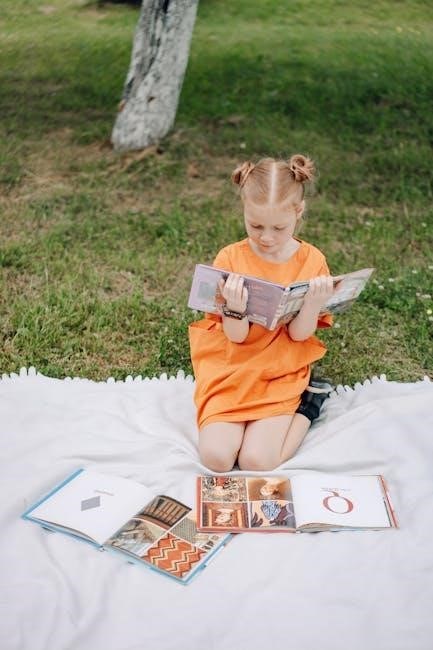
Healthy Recipe Considerations for Kids
PDF recipe books often feature crowdsourced‚ healthy options‚ prioritizing nutritional value and incorporating fruits and vegetables for balanced‚ kid-friendly meals.
Crowdsourced Healthy Recipes
PDF recipe books‚ like the Guelph Family Health Study’s collection‚ demonstrate the power of community input in developing kid-friendly‚ nutritious meals. Parents actively requested healthier options‚ leading researchers to compile a recipe book based on their needs.
This approach ensures the recipes are practical for families and appealing to children. Utilizing crowdsourced funding and parental feedback creates a resource that genuinely addresses real-world dietary challenges.
These PDFs often prioritize fresh ingredients and simple preparation methods‚ making healthy eating accessible and enjoyable for everyone involved.
Focus on Nutritional Value
Effective children’s recipe books‚ especially in PDF format‚ prioritize balanced nutrition. Registered dietitians‚ like Jodi at Create Kids Club‚ emphasize incorporating a varied diet for children.
This includes strategically adding fruits and vegetables to meals and snacks‚ making healthy choices more appealing. PDFs allow for easy access to information about ingredient benefits and nutritional content.
The goal is to build confidence in the kitchen while simultaneously fostering healthy eating habits that will last a lifetime.
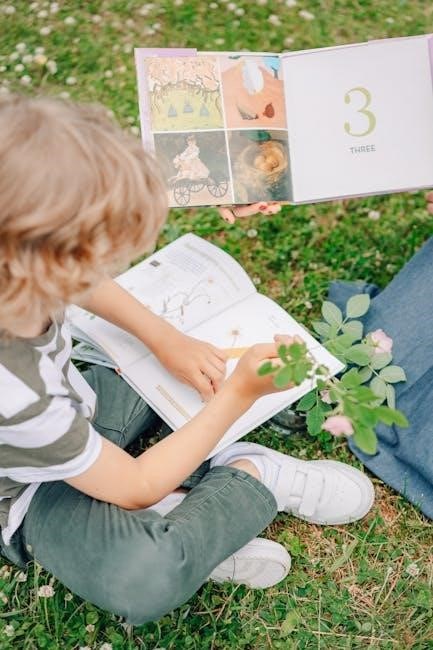
PDF Format Advantages for Children’s Recipes
PDFs offer unparalleled portability and accessibility for young chefs‚ allowing easy printing and sharing of recipes.
This format supports convenient cooking adventures at home or on the go!
Portability and Accessibility
PDF recipe books shine due to their exceptional portability; a tablet‚ phone‚ or printed copy brings culinary inspiration anywhere! This accessibility is invaluable for family trips‚ kitchen assistance‚ or simply cooking outside.
Unlike traditional cookbooks tied to a kitchen‚ PDFs are readily available on multiple devices. This convenience encourages spontaneous cooking sessions and allows children to easily reference recipes during preparation.
Furthermore‚ PDFs eliminate the need for constant screen time‚ offering a printable alternative for mess-free cooking. This blend of digital convenience and physical interaction makes them ideal for young cooks.
Easy to Print and Share
PDF format excels in its simplicity for printing – select pages or the entire cookbook‚ creating a customized‚ durable recipe resource. This is particularly useful for children learning to follow instructions‚ avoiding screen glare and potential messes.
Sharing favorite recipes becomes effortless; simply email or provide a digital copy to family and friends. The binder system mentioned allows for easy copying and personalization‚ building individualized cookbooks over time.
This collaborative aspect fosters a shared love of cooking and allows children to contribute to a growing family collection of cherished recipes.
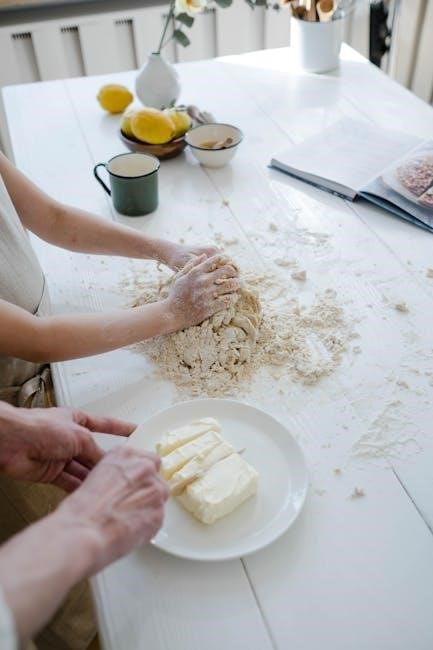
Future Trends in Children’s Recipe Resources
Interactive PDFs and online cooking platforms are emerging‚ offering dynamic experiences for young chefs‚ blending digital convenience with culinary education.
Interactive PDF Recipe Books
Future children’s recipe PDFs will move beyond static pages‚ incorporating features like embedded videos demonstrating techniques and clickable ingredient lists for easy shopping.
Imagine PDFs with built-in timers‚ allowing kids to independently manage cooking times‚ or quizzes to test their knowledge of food safety and nutrition.
These dynamic resources could also offer personalized recipe recommendations based on dietary needs and preferences‚ fostering a more engaging and educational cooking experience.
Such advancements will transform PDFs from simple recipe collections into interactive culinary learning tools for the next generation of cooks.
Online Cooking Platforms for Kids
Complementing PDF recipe books‚ online cooking platforms are emerging‚ offering a dynamic and interactive learning environment for young chefs.
These platforms often feature video tutorials‚ step-by-step instructions‚ and virtual cooking classes led by experienced instructors‚ enhancing the learning process.
Many platforms also incorporate gamification elements‚ such as badges and rewards‚ to motivate children and make cooking more enjoyable.
While PDFs provide portability‚ online platforms offer a collaborative and immersive experience‚ fostering a community of young cooks and expanding culinary horizons.
Leave a Reply
You must be logged in to post a comment.